
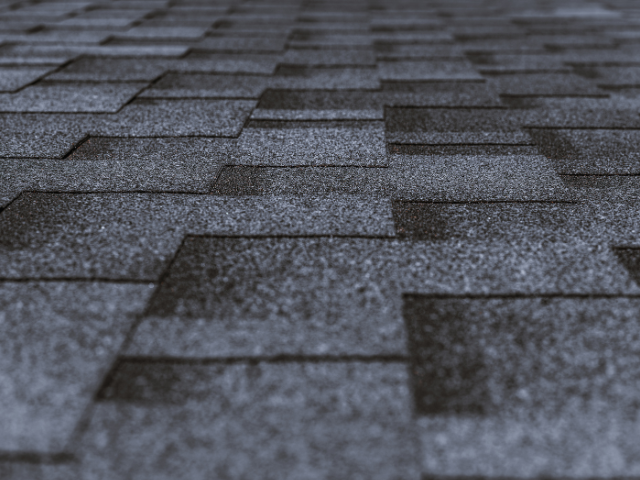
If you live in North Texas long enough, you’ll eventually hear that unmistakable sound on your roof — hail hammering down during a spring or early summer storm. DFW sits in one of the more hail-prone regions of the country, and while your car and windows are the obvious concerns during the storm itself, your roof is often the most significantly affected part of your property, and the damage isn’t always obvious from the ground.
Here’s what to actually know after a hailstorm rolls through.
Why Hail Damage Is Easy to Miss
Unlike a fallen tree branch or an obvious leak, hail damage often doesn’t announce itself. Impact marks on asphalt shingles can look subtle from ground level, sometimes just a slight bruise or granule loss that’s hard to spot without getting up on the roof (or having someone qualified do it for you). That’s part of what makes hail damage tricky — a roof can sustain real damage that compromises its protective ability long before you’d notice a leak inside your home.
Signs of Hail Damage to Look For
Granule loss on shingles. Hail impacts can knock protective granules off asphalt shingles, which you might notice as small piles of grit in your gutters or downspouts after a storm.
Dark spots or bruising on shingles. Hail impacts often leave visible dark spots where the shingle’s surface has been compressed or damaged, even if the shingle hasn’t cracked.
Dents on metal components. Gutters, vents, flashing, and any metal roofing components are usually easier to visually assess for hail damage than shingles, and can serve as a helpful indicator of storm severity even before a full roof inspection.
Cracked or split shingles. More severe hail impacts can crack shingles outright, which is a more obvious sign of damage that clearly compromises the roof’s protective barrier.
Damage to soft metals around your property. Check window screens, AC units, and mailboxes — damage to these softer materials can be a useful indicator that your roof likely experienced impact as well, even if the roof damage itself isn’t immediately visible.
Why You Shouldn’t Wait to Get It Inspected
Hail damage that goes unaddressed doesn’t stay static — compromised shingles are more vulnerable to further weather damage, leaks, and accelerated wear, meaning a manageable repair today can turn into a much bigger problem after the next storm or heavy rain. There’s also a practical insurance consideration: most policies have specific timelines for filing storm damage claims, and waiting too long can complicate or jeopardize your ability to file at all.
What a Professional Hail Damage Inspection Involves
A proper inspection goes well beyond what you can see from the ground or even a quick walk around your yard. It typically includes a close visual inspection of your shingles (or other roofing material), a check of gutters, flashing, vents, and other roof components, and documentation of any damage found — which matters significantly if you end up filing an insurance claim. This documentation step is one of the most valuable parts of a professional inspection, since detailed evidence makes a real difference in how smoothly a claim moves forward.
Filing an Insurance Claim After Hail Damage
If your inspection turns up damage, filing a claim is usually the next step. We’ve covered this process in more depth in our post on what DFW homeowners need to know about filing a roof insurance claim — it’s worth a read before you start the claims process, since understanding what to expect can help avoid common pitfalls.
Repair or Replace?
Not every hail-damaged roof needs full replacement — the right call depends on the extent and pattern of damage found during inspection. Isolated impact damage might be addressed with targeted repairs, while more widespread damage across the roof often makes full replacement the more sensible long-term option, especially if your roof was already approaching the end of its expected lifespan. Our post on 5 signs your Dallas home needs a roof repair (and when it’s time to replace) covers this decision in more detail.
Preparing for the Next Storm
While you can’t prevent hail, choosing impact-resistant roofing materials when it’s time for a new roof can meaningfully reduce future damage and, in some cases, qualify you for insurance discounts. If you’re evaluating options for an upcoming replacement, it’s worth understanding how different roofing materials hold up against hail before making a decision.
For business owners, hail damage is a concern for commercial roofing too, and often carries added urgency given the operational and liability implications of a compromised commercial roof.
FAQs About Hail Damage
How soon after a storm should I get my roof inspected? As soon as reasonably possible — ideally within a few days of the storm. Prompt inspection helps you stay within insurance claim filing windows and prevents any existing damage from worsening before it’s addressed.
Can I inspect my roof for hail damage myself? You can look for obvious signs from the ground, like granule buildup in gutters or damage to soft metals around your property, but a thorough assessment really requires a professional who knows what subtle hail damage looks like up close and can safely access the roof itself.
Will my insurance definitely cover hail damage repairs? Most homeowners policies do cover hail damage, but coverage details, deductibles, and claim requirements vary by policy. It’s worth reviewing your specific coverage and consulting your insurance provider directly about your particular situation.
Does a small amount of hail damage really need to be fixed right away? Yes, generally — even minor damage compromises the shingle’s protective barrier and tends to worsen with subsequent weather exposure, so addressing it early usually prevents a larger, more expensive problem later.
How long does a typical hail damage repair or replacement take? It varies based on the extent of damage and scope of work — some repairs can be completed in a day, while full replacements typically take a few days depending on your home’s size and roofing material.