
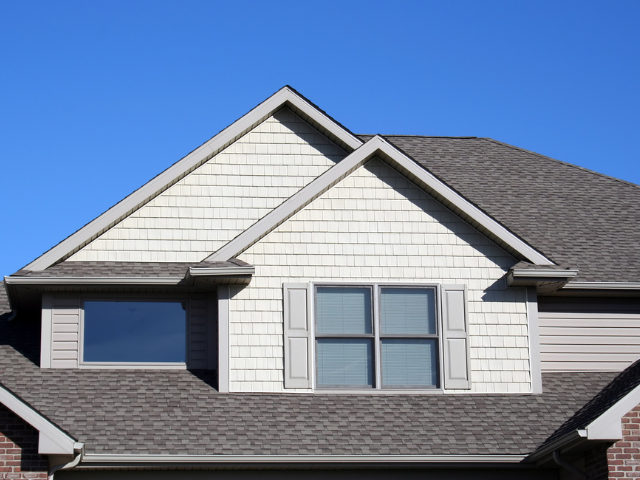
Vermont and New Hampshire homes have to deal with a roofing challenge most of the country doesn’t: heavy snow load, brutal freeze-thaw cycles, and a housing stock that ranges from brand-new builds to 200-year-old farmhouses. The right roofing material depends a lot on which end of that spectrum your home falls on — and what you actually need the roof to do through a Upper Valley winter.
Here’s a breakdown of the materials we work with most, and where each one makes the most sense.
Standing-Seam Metal Roofing
Standing-seam metal has become one of the most popular choices for homes across the Upper Valley, and for good reason — it’s built for exactly the kind of winters we get here.
Best for: Homes dealing with significant snow load, since standing-seam metal is designed to shed snow rather than let it accumulate and add stress to the roof structure. It’s also a strong long-term option for homeowners who want to minimize maintenance over the life of the roof.
Worth knowing: Metal roofing tends to have one of the longest lifespans among common roofing materials, often outlasting asphalt shingles significantly, which can make the higher upfront cost worthwhile over time, especially for homeowners planning to stay in their home long-term.
Slate Restoration
Slate is part of what gives so many Upper Valley homes their character — but original slate roofs, especially on homes over a century old, require specialized knowledge to restore properly rather than just patch or replace piecemeal.
Best for: Historic homes where preserving the original character and material matters, or where an existing slate roof has isolated damage that can be restored rather than requiring full replacement.
Worth knowing: Slate restoration isn’t a service every roofing contractor offers, since it requires specific expertise most modern roofers simply don’t have. If you own one of the area’s historic homes, it’s worth working with a contractor who has direct experience with slate specifically, rather than a general roofer applying modern techniques to a material that doesn’t always respond the same way.
Cedar Shake
Cedar shake offers a distinctive, natural look that suits many of the area’s older and more traditionally styled homes.
Best for: Homeowners prioritizing aesthetics and a classic New England appearance, particularly on homes where cedar shake fits the existing architectural character.
Worth knowing: Cedar requires more regular maintenance than metal or asphalt to protect against moisture and the freeze-thaw cycles common in our climate, but with proper care it can hold up well and age with real character.
Rubber and EPDM Roofing
For flat or low-slope sections of a roof — additions, porches, garages — rubber and EPDM membrane roofing offers reliable waterproofing where traditional shingles or metal panels aren’t practical.
Best for: Flat or low-slope roof sections where standard sloped roofing materials aren’t suitable, providing a durable, waterproof solution for these specific areas.
Worth knowing: These sections are often overlooked during a broader roofing conversation focused on the main roof, but they’re just as important to maintain and repair properly, since flat sections are especially prone to water pooling and leaks if not installed and maintained correctly.
Architectural Asphalt Shingles
Architectural asphalt shingles remain a practical, versatile option for a huge range of homes across the region, balancing cost, appearance, and performance well.
Best for: Homeowners looking for a reliable, cost-effective option with a wide range of style and color choices, suitable for most standard residential roofs.
Worth knowing: Modern architectural shingles perform significantly better in cold-climate conditions than older shingle generations, offering improved durability against the freeze-thaw cycles and snow load our region deals with each winter.
How to Actually Decide
A few things worth thinking through together:
How old is your home, and does it have existing historic material worth preserving? If you have original slate, restoration is often worth exploring before considering full replacement with a different material.
How much snow load does your roof typically deal with? Standing-seam metal’s snow-shedding properties matter a lot for homes in higher-elevation or heavier-snowfall parts of the region.
What’s your maintenance tolerance? Cedar and slate generally require more ongoing attention than metal or architectural asphalt shingles.
Does your project involve flat or low-slope sections? These often need a different material entirely (like rubber/EPDM) than the rest of your roof, and it’s worth addressing them as part of the same overall plan rather than as an afterthought.
Whether you’re planning a full roof replacement, a re-roofing project, or roofing for new construction, the right material decision is easier to make with an in-person assessment of your specific home, elevation, and existing structure — which is what a free estimate is for.
FAQs About Choosing a Roofing Material
Which material handles Vermont and New Hampshire winters best? Standing-seam metal is generally the strongest performer for heavy snow load specifically, thanks to its snow-shedding properties, though architectural asphalt shingles and other materials can perform well too depending on your home’s specific conditions and roof pitch.
Is slate restoration always possible, or does an old slate roof sometimes need full replacement? It depends on the extent of existing damage and the condition of the underlying structure. In many cases isolated damage can be restored, but a thorough assessment is needed to determine whether restoration or a different approach makes more sense for your specific roof.
Do I need a different material for a flat porch roof than the rest of my house? Often, yes — flat or low-slope sections typically perform better with rubber or EPDM membrane roofing rather than standard shingles or metal panels designed for sloped applications.
How long does architectural asphalt shingle roofing typically last in this climate? With proper installation and maintenance, architectural shingles can last a couple of decades or more, though exact lifespan depends on the specific product, installation quality, and how well the roof is maintained over time.
Do you handle the structural work if my roof deck or framing needs repair before a new material can be installed? Yes — we handle the whole roof, not just the surface layer, including roof re-decking and framing when a project requires structural work before new roofing material can go on.