
If you’ve gotten a roofing quote recently in the Dallas-Fort Worth area, you’ve likely been offered a choice between standard asphalt shingles and impact-resistant (IR) shingles. The price difference can feel significant — so is the upgrade actually worth it?
After 60+ years in the DFW roofing industry, Tucker Roofing Systems has a clear answer: for most North Texas homeowners, impact-resistant shingles aren’t just a nice upgrade. They’re a financially smart one.
Here’s why.
What Makes a Shingle “Impact-Resistant”?
Standard asphalt shingles are rated Class 1 or Class 2 for impact resistance. Impact-resistant shingles earn a Class 4 rating — the highest available — by passing a standardized test in which a 2-inch steel ball is dropped from 20 feet onto the shingle. Class 4 shingles show no cracking or damage.
What does that mean in practice? During a hail storm with 1.5- to 2-inch hailstones — which North Texas sees regularly — Class 4 shingles dramatically outperform standard ones. The granule loss, cracking, and bruising that triggers insurance claims often simply doesn’t occur.
The Insurance Math
Here’s where it gets interesting for DFW homeowners: many Texas insurance companies offer meaningful discounts — sometimes 20–30% on your homeowner’s premium — for homes with Class 4 impact-resistant roofs.
As one Tucker Roofing client noted in his review, he was able to get a discount on his home insurance simply by upgrading to a specific shingle product. That annual savings compounds over the life of the roof.
Run the math: if the IR shingle upgrade costs an additional $1,500–$3,000 upfront and saves you $400–$600 per year on your insurance premium, you’ve recouped the cost in 3–7 years — and protected yourself from claims and deductibles in the meantime.
What Products Does Tucker Roofing Recommend?
As a GAF Master Elite certified contractor, Tucker Roofing Systems has access to the full GAF product line, including their Timberline HDZ and Camelot II series — both available in Class 4 ratings. We also work with Malarkey, CertainTeed, and other industry-leading manufacturers.
The right shingle depends on your home’s architecture, color palette, and budget. Our in-house color and shingle consultants can actually analyze photos of your home to recommend the ideal combination — something our clients consistently highlight as a standout part of the Tucker experience.
Want to explore your options? Start with a free consultation.
What About Aesthetics?
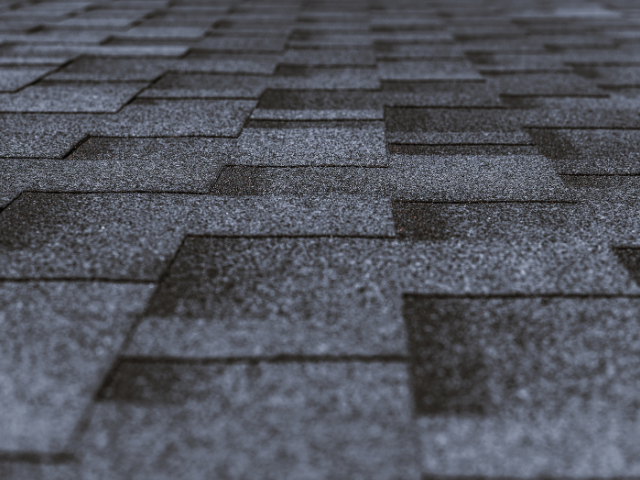
One of the most common concerns we hear: “Do impact-resistant shingles look different?” The answer is no — not to the naked eye. Class 4 shingles are manufactured to match the appearance of standard architectural shingles. You get the dimensional, layered look of a premium roof without any visual compromise.
This matters for resale value. A Class 4 roof is a genuine selling point in DFW’s competitive real estate market.
When Standard Shingles Still Make Sense
If your roof is on a detached structure (garage, workshop), a rental property with a thin margin, or a home you plan to sell within 2–3 years, the calculus may shift. Our residential roofing team will give you an honest recommendation — not an upsell.
Frequently Asked Questions
Q: Are impact-resistant shingles actually stronger against hail? A: Yes. Class 4 shingles are independently tested and rated. In real-world DFW hail events, the difference in performance is meaningful — reducing granule loss, cracking, and the bruising that leads to insurance claims.
Q: Will I automatically get an insurance discount for upgrading? A: You’ll need to notify your insurer and ask — discounts aren’t always automatic. Tucker Roofing can provide documentation of your roof’s Class 4 rating to submit to your insurance company.
Q: How long do impact-resistant shingles last compared to standard ones? A: The underlying lifespan is similar (20–30 years for quality architectural shingles), but IR shingles are more likely to reach that full lifespan without sustaining storm damage that requires early replacement.
Q: Can I mix impact-resistant shingles with my existing standard ones? A: We don’t recommend it. A uniform roof performs better structurally and aesthetically. If you’re replacing damaged sections, a full replacement typically makes more long-term sense. Contact us to discuss your situation.